
The final month of the year is one of the most important times for small businesses. It serves as the bridge between wrapping up holiday promotions and laying the foundation for a strong start to a new year. Whether you own a local shop, are a service provider, agency, or online brand, the steps you take in December can either set you back or set you up for unstoppable momentum.
This comprehensive guide gives you a clear, actionable marketing checklist to help you optimize your website, enhance your local SEO, increase holiday visibility, and prepare for a powerful January 2026. These end-of-year marketing tips boost clarity and revenue by helping you refresh content and analyze performance metrics.
Below, we break everything down into practical content strategy actions you can complete before the year ends. Let’s start now.
1. Review and Audit Your Website Performance
Your website is the cornerstone of your online presence, so it’s the best place to begin your end-of-year audit. December is an ideal time to review performance, catch any issues you may have overlooked, and improve the user experience before you roll into the new year.
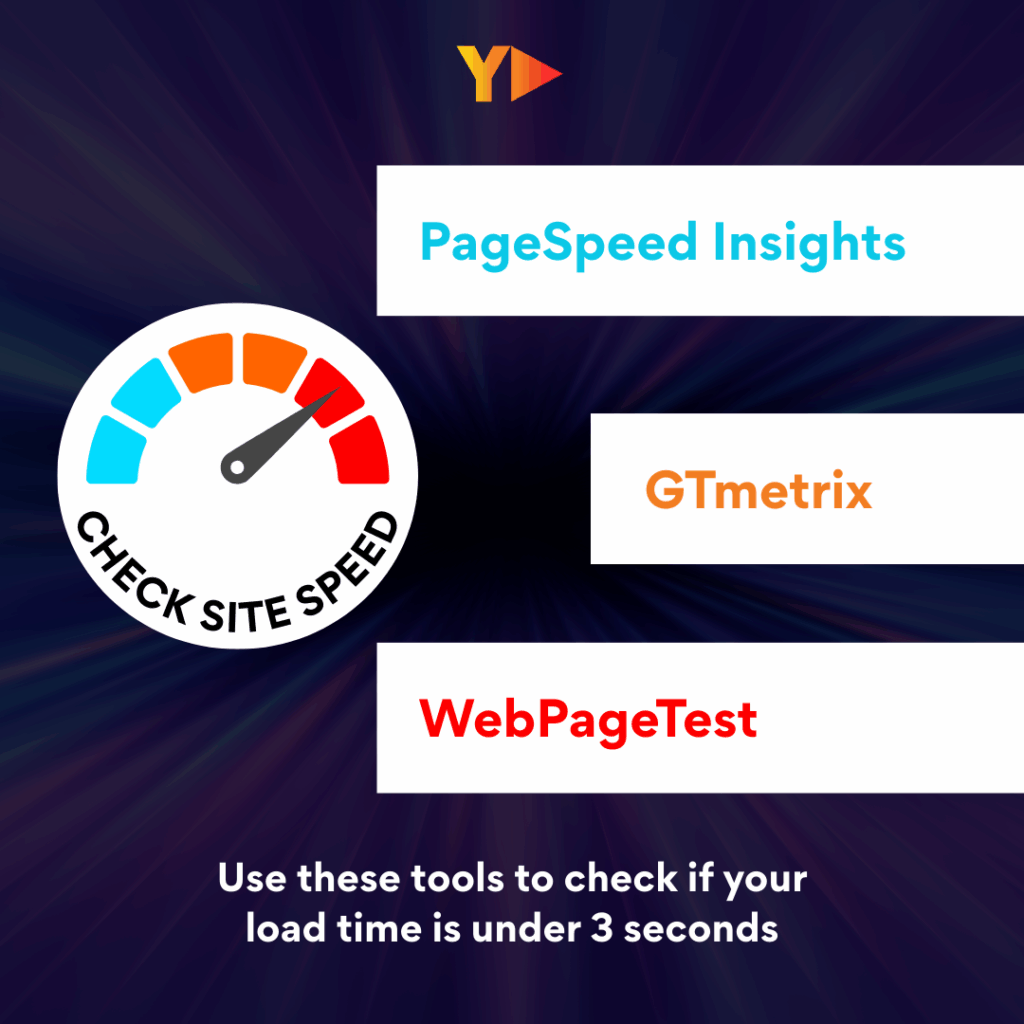
Check Site Speed
Slow websites lose customers. A good idea is to use tools like:
Aim for a load time under three seconds. If your site is slower:
- Consider upgrading hosting
- Compress images
- Remove unused plugins or scripts
Remove unused plugins or scripts
Review Mobile Experience
Over 50% of users browse on mobile devices. Make sure:
- Buttons are easy to tap
- Text is readable
- Navigation is clear
- Pages load smoothly
Audit Your Top Pages
Look at the pages that get the most traffic and ask:
- Is the content still accurate?
- Are images a bit outdated?
- Do the CTAs still make sense?
- Are there opportunities to cross-link?
Check for Broken Links
Broken links create a poor user experience and hurt your SEO. Tools like Ahrefs, Screaming Frog, or SEMrush can help identify them quickly.
Refresh Old Content
December is an excellent time to:
- Update statistics
- Replace outdated images
- Rewrite weak paragraphs
- Add FAQs for 2025–2026 relevance
This is the easiest way to improve Google rankings without creating new content from scratch.
A thorough website audit lays the foundation of all other end-of-year content marketing tips.
2. Update Your Holiday Hours and Google Business Profile
One of the most overlooked December tasks from business owners is updating business hours—especially for Christmas, New Year’s Eve, and New Year’s Day. Customers frequently rely on Google to verify whether a business is open, so inaccurate hours can lead to confusion, bad costumer experience or lost sales.
Update Holiday Hours on:
- Google Business Profile (GBP)
- Yelp
- Facebook and Instagram
- Your website footer
- Contact page
- Appointment schedulers
Refresh Your Google Business Profile
Your GBP listing significantly impacts local business search ranking. December is the perfect time to update:
- A new cover photo
- Holiday promotions
- New products or services
- A short holiday announcement
- FAQs or service updates
- Posts with holiday marketing ideas 2025
Add Seasonal Posts
GBP Posts are underused but powerful. Examples for December:
- “Last-minute holiday gift ideas available now.”
- “Year-end sales—book your appointment before January!”
- “New 2026 offerings launching soon—join our newsletter to stay updated.”
Google tends to reward active profiles, so consistent posting boosts visibility.
3. Refresh Local SEO Keywords Before the New Year
Search behavior shifts every year, so your local SEO strategy should too. December is the ideal month to update your keywords for the year ahead.
Update Core Local Keywords
Your location-based keywords may need adjustments. Include new variations like:
- “Best [service] in 2026 near me.”
- “Top [industry] trends 2026 [city].”
- “Affordable [service] in [location].”
These changes enhance your social media platforms’ visibility on your early in the new year when competitors may still be catching up.
Optimize Key Website Sections
Update keywords in your:
- Homepage
- Service pages
- Product descriptions
- Location pages
- Blog posts
- Meta titles and descriptions
Local SEO strengthens when your site reflects the newest search patterns.
Add New Blog Topics for Q1
December is also a great time to plan SEO-rich blog posts using seasonal and forward-looking keywords. Tie in holiday marketing ideas for 2025 in any year-end posts, and prepare early-2026 topics such as:
- “What’s New in [Industry] for 2026?”
- “How to Plan Your Business Goals for 2026”
- “Top Local Trends [City] Consumers Should Expect in 2026”
These position your business as a forward-thinking leader.
4. Plan Your January and February Content Campaigns Now
Pro tip, many businesses struggle with content creation early in the year, typically because December is so busy. Planning ahead ensures that you start the new year with consistent marketing instead of scrambling to “catch up” on the types of content you want to create.
Map Out Content Themes
For the first quarter, consider focusing on themes such as:
- New Year motivation
- “Fresh start” campaigns
- Winter promotions
- Tax season prep (if relevant)
- Valentine’s Day marketing
- Industry-specific trends for 2026
Pre-Plan Social Media Posts
Create or schedule the following types of posts for social media marketing:
- January welcome posts
- Educational carousel posts
- Testimonials
- Behind-the-scenes content
- Promotional graphics
- Value-driven content (tips, myths, how-tos)
Update Email Marketing Sequences
Refresh your email marketing by updating:
- Welcome flows
- Abandoned cart emails
- “New Year” announcements
- Loyalty program updates
- Winter promos
Build a 60-Day Content Calendar
Establishing a 60-day content calendar helps prevent burnout and ensures you keep publishing even when business gets busy.
Think of this as the foundation of your small business marketing checklist—consistent content drives results throughout the year.
5. Finalize Your Budget Planning for 2026
Before January arrives, review your budget and determine where to invest resources strategically.
Evaluate What Worked in 2025
Look at:
- Top-performing ads
- Highest-converting campaigns
- Best-performing platforms
- Sales trends by month
- Email marketing metrics
- Top-selling products or services
Identify What Didn’t Work
Consider cutting or reducing:
- Low-ROI advertising
- Underperforming services
- Tools you don’t use
- Campaigns that didn’t convert
- Negative customer experiences
Decide Where to Invest in 2026
Consider allocating your budget toward:
- SEO improvements
- Upgraded website features
- CRM software
- Rebranding or design updates
- Short-form video content
- AI tools that improve efficiency
- Posting more on social media accounts for target audience
Set Monthly Spending Goals
Instead of one large annual budget, divide your spending into monthly allocations. This offers better control and easier decision-making.
6. Gather Last-Minute Reviews Before the Year Ends
Reviews are invaluable marketing assets that can help:
- Improve local SEO
- Increase credibility
- Build trust
- Boost conversions
- Strengthen your Google Business Profile
December is the best time to request reviews because:
- Customers are in a positive, grateful mindset
- Holiday purchases and services create new review opportunities
- Many people have extra downtime
- Reviews add immediate value heading into January
How to Ask for Reviews
Use simple scripts like:
- “We’d love your feedback as we close out the year—your review helps us grow.”
- “It only takes one minute and helps other customers discover us.”
- “Thank you for supporting our small business this year!”
Where to Request Reviews
Encourage reviews on:
- Yelp
- Your website testimonials page
If you’ve never done a year-end review push before, this technique can quickly become one of your most effective end-of-year marketing strategies.
7. Review Holiday Marketing Performance
Before transitioning into January, analyze how well your holiday campaigns performed. This assessment will help refine next year’s holiday marketing ideas for 2026 or 2027 when the time comes.
Evaluate:
- Email open and click-through rates
- Social media reach and engagement
- Best-performing posts
- Website traffic increases
- Sales from holiday specials
- Conversion rates from ads
- Google Business Profile post-performance
Ask:
- What worked extremely well?
- What piece of content is missing from my platforms?
- What underperformed?
- What can we test next year?
This data will guide your future seasonal campaigns, ensuring that each holiday season builds on the successes of the previous one.
Final Thoughts: December Is Your Most Important Planning Month
In marketing, December should not be a month to slow down; instead, it’s the time to refine, reset, and prepare. By following this small business marketing checklist, you will:
- Strengthen your online presence
- Maximize holiday visibility
- Start January with a clear strategy
- Improve customer communication
- Set realistic budgets
- Build momentum that carries into mid-2026
Small businesses that plan ahead consistently outperform those that begin fresh in January without direction. Use this month to set your business up for long-term success.
Ready to Start 2026 Strong? Let’s Build Your Marketing Plan Together.
For help with strategy, content creation, SEO, or social media for the new year, my team and I can make the entire process easier.
Get a personalized 2026 marketing audit + strategy built for your small business.
Send a message to get started!
Let’s make 2026 your strongest year yet!