
As we approach 2026, small businesses face a rapidly evolving digital landscape. Staying ahead requires understanding emerging digital marketing trends in 2026, focusing on actionable strategies, and leveraging the right marketing tools to grow online. Planning now not only saves time later but also maximizes ROI for your marketing efforts. This guide outlines the top trends, priorities for Q1, and how to create a simple marketing roadmap that sets your business up for success.
Top Digital Marketing Trends for 2026
1. AI-Powered Marketing
Artificial intelligence is no longer optional—it’s foundational. From AI-generated content to predictive analytics, small businesses can automate tasks, personalize campaigns, and optimize ads more efficiently than ever. Platforms like ChatGPT, Perplexity, and Claude can generate blog posts, social media captions, or even email sequences, saving hours of work while maintaining a professional tone.
Key opportunities for small businesses:
- Analytics and insights: Predict trends and customer behavior to make smarter decisions that drive sales.
- Content generation: Draft blogs, ad copy, or newsletters faster.
- Customer service automation: Chatbots and AI assistants improve response times for potential customers.
2. Short-Form Video Dominance
Video continues to dominate, but short-form content—such as TikTok, Instagram Reels, and YouTube Shorts—has become the most engaging format for audiences. Small businesses can leverage short videos to:
- Showcase products or services quickly.
- Provide insights into organizational culture and operations
- Deliver concise instructional content and expert insights in under 60 seconds.
Brands that invest in creative short-form content early in 2026 will see higher engagement and organic reach on social media channels.
3. SEO Evolves
Search engines are becoming smarter, and Google’s AI-driven updates continue to impact rankings. Small businesses must focus on SEO strategies that prioritize user intent:
- Optimize content for voice search and featured snippets.
- Target long-tail keywords with high conversion potential and actionable insights.
- Update older content regularly to maintain authority and social media presence.
4. Personalization at Scale
Consumers increasingly expect personalized experiences. From emails to social media ads, leveraging data to customize messaging improves engagement and sales. In 2026, even small businesses can use AI tools to:
- Segment email lists.
- Suggest products based on past behavior.
- Dynamically adapt website content for returning visitors.
5. Social Commerce and Shoppable Media
Social commerce continues to rise. Instagram, TikTok, and Facebook offer native shopping features, allowing customers to buy items without leaving the platform, shortening the customer journey. Small businesses should experiment with:
- Shoppable posts.
- Real-time commerce initiatives
- Integrated checkout systems to reduce friction.
6. Sustainability and Authentic Branding
Consumers, especially younger audiences, are gravitating towards brands that reflect their values. Highlighting eco-friendly practices, community involvement, or socially conscious efforts will strengthen brand loyalty in 2026.
Q1 Priorities for Small Businesses in 2026
Performance in the first quarter establishes the trajectory for the remainder of the fiscal year. Here’s what small businesses should prioritize:
1. Audit Existing Marketing Efforts
Review your current website, social media, and content performance. Identify what worked in 2025 and what needs updating. Look for:
- High-performing content that can be repurposed.
- Gaps in SEO or social media strategy.
- Opportunities for automation using AI tools.
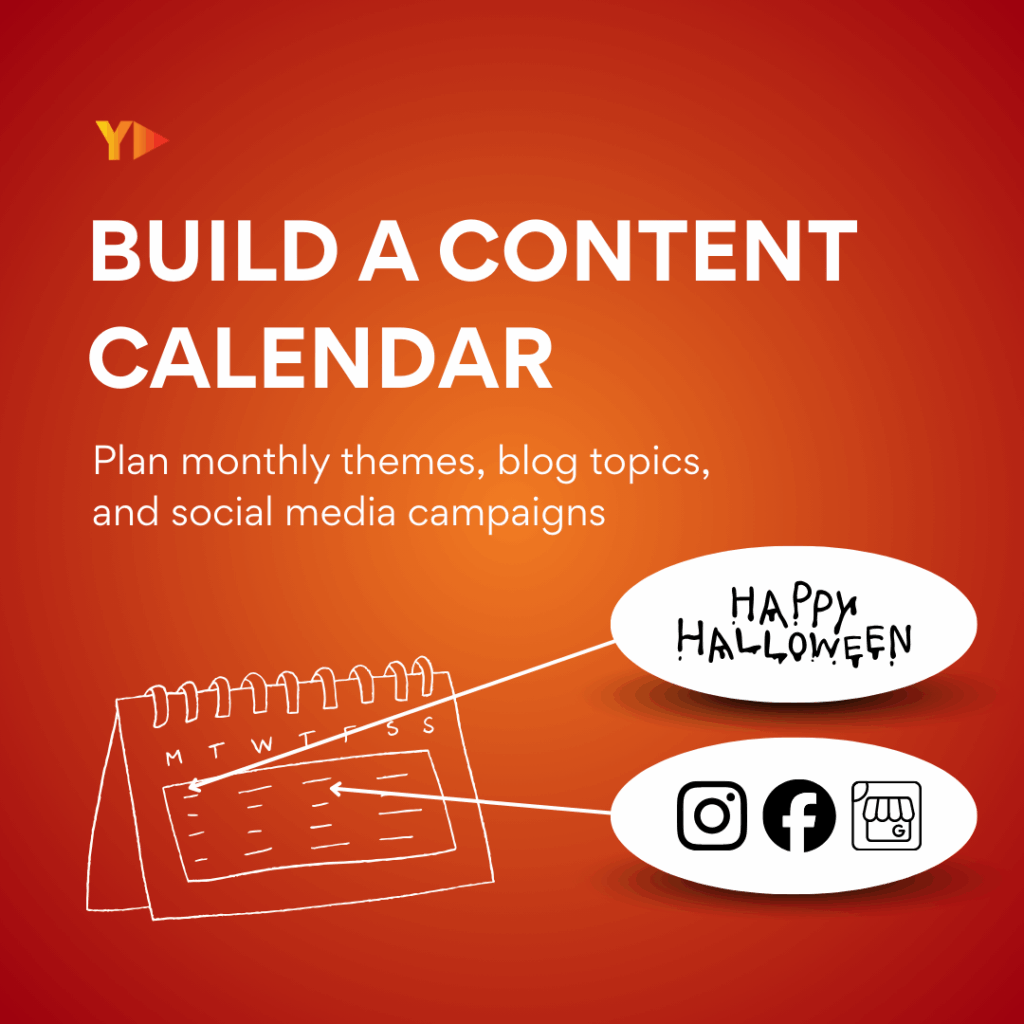
2. Build a Content Calendar
Plan monthly themes, blog topics, and social media campaigns. Short-form videos, blog posts, and email sequences should align with seasonal trends and product launches.
3. Set Up Analytics and Tracking
Ensure all campaigns are measurable and use tools like Google Analytics 4, AI-powered dashboards, and social platform insights. Accurate tracking allows for:
- Better budget allocation.
- Early identification of high-performing channels.
- Optimized campaigns with real-time adjustments.
4. Test AI Tools Early
Experiment with AI tools for content creation, email marketing, and social listening. Identify which tools reduce workload and improve output without compromising brand voice.
5. Refresh Your Branding
Evaluate visuals, messaging, and social presence. A consistent, modern look helps attract new customers and builds credibility.
New Tools to Leverage in 2026
Several tools are emerging or gaining traction for small businesses looking to stay ahead:
- AI Content Generators: ChatGPT, Perplexity, Claude. Optimized for editorial content, electronic correspondence, and multi-channel social media platforms. These are great time saving tools while also being cost effective.
- Video Editing & Automation: Canva Video, InVideo, CapCut. The production of short-form content has become increasingly streamlined.
- SEO & Analytics: SurferSEO, Semrush, Moz. Stay ahead of algorithm changes.
- Email & CRM Automation: HubSpot, ActiveCampaign. Personalize at scale without added complexity.
- Social Commerce Platforms: Shopify, TikTok Shop, Instagram Shops. Turn social engagement into sales.
Creating a Simple Marketing Roadmap for 2026
A marketing roadmap keeps your strategy organized and actionable. Here’s a straightforward approach:
Step 1: Define Goals
Be specific with your goals. Here are some examples:
- Increase website traffic by 30%.
- Increase Instagram audience reach by 2,000 followers.
- Acquire 50 qualified leads per month via strategic email marketing initiatives.
Step 2: Identify Channels
Not every trend works for every business. Choose 2–3 channels to focus on initially:
- Social Media (short-form videos, social commerce, social media posts)
- Email Marketing
- Paid Advertising (Google Ads, Facebook Ads)
Step 3: Create Content Themes
Align your content with trends, seasons, and audience needs. Include a mix of:
- Educational content
- Entertaining/relatable content
- Promotions or sales
Step 4: Schedule & Automate
Utilize AI tools or scheduling software to plan posts, emails, and ads. Automation helps reduce errors, saves time, and ensures consistency.
Step 5: Measure & Iterate
Conduct weekly performance evaluations.Use insights to:
- Focus on high-performing campaigns
- Adjust underperforming content strategies
- Refine messaging and targeting
Why Planning Now Saves Time and Boosts ROI
Waiting until mid-year to plan campaigns can often lead to rushed execution, inconsistent branding, and wasted ad spend. Small businesses that plan in advance can:
- Reduce last-minute stress.
- Optimize budgets by allocating resources strategically.
- Maximize ROI by identifying opportunities early.
- Stay ahead of competitors by leveraging new trends first.
By aligning your strategy with digital marketing trends 2026, you position your business for growth, increased brand visibility, and stronger customer loyalty.
Final Thoughts
Small businesses willing to adapt find a digital landscape filled with opportunities in 2026. Embracing AI, short-form videos, personalization, and updated SEO strategies will help you stay competitive. Pair these trends with a clear roadmap and the right tools, and you’ll enter the new year confident and prepared.
Schedule Your 2026 Strategy Call
Position your business for success in 2026! Schedule a personalized strategy session with Yooniversal Media to outline your small business marketing plan and learn to take advantage of emerging trends.
Schedule a consultation for January to establish your organization’s growth strategy for the coming year.